The Procedure
About Hair Transplant
A permanent, natural-looking solution to hair loss refined over seven decades of surgical innovation.
Overview
What Is a Hair Transplant?
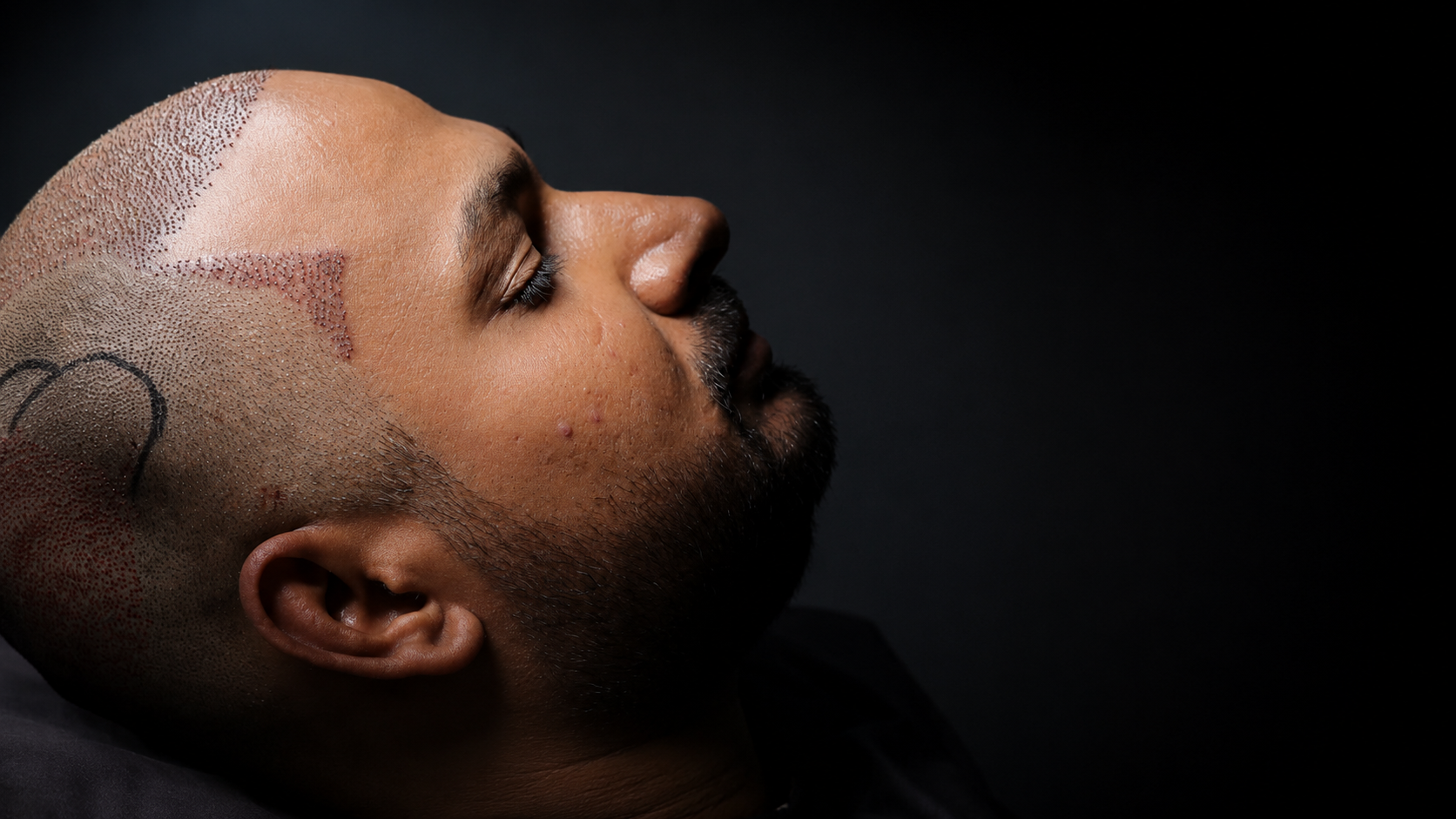
Hair transplant is a surgical procedure that involves moving hair follicles from one part of the body usually the back or sides of the scalp to the balding or thinning areas. It's primarily used to address male pattern baldness or thinning hair in both men and women.
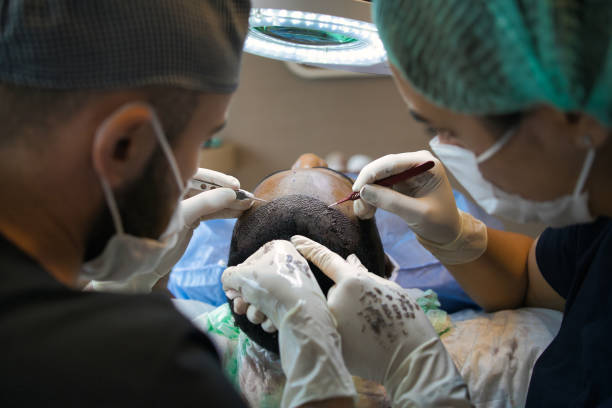
There are two main techniques: follicular unit transplantation (FUT) and follicular unit extraction (FUE). FUT involves removing a strip of scalp, dissecting it into grafts, and transplanting them. FUE extracts individual follicular units directly from the scalp. The transplanted hair grows naturally, offering a permanent solution to hair loss in targeted areas.
Since 1952
History of Hair Transplants
Hair transplants have evolved significantly since their inception in the 1950s. Dr. Norman Orentreich performed the first modern hair transplant in 1952, introducing the concept of donor dominance the idea that hair follicles from certain areas, like the back and sides of the scalp, retain their resistance to baldness when transplanted elsewhere. Early techniques involved large grafts, often resulting in an unnatural appearance.
In the 1990s, the advent of follicular unit transplantation (FUT) revolutionised the field. This technique involved transplanting small follicular units, improving the naturalness of results. Later, follicular unit extraction (FUE) emerged, allowing individual follicular units to be harvested directly from the scalp without a linear incision, reducing scarring.
Advancements in technology, such as robotic assistance, better understanding of graft placement, and refined surgical skills, have made hair transplants more precise, yielding natural-looking results. Today, it's a widely practiced procedure, offering effective, permanent solutions to hair loss concerns.
In India
Evolution of Hair Transplant in India
The evolution of hair transplant in India has been remarkable. Initially introduced with traditional techniques like punch grafts, the field rapidly progressed. The 1990s saw the advent of follicular unit transplantation (FUT), enhancing naturalness and minimising scarring. As technology evolved, follicular unit extraction (FUE) emerged, revolutionising the procedure by extracting individual follicles without a linear scar.
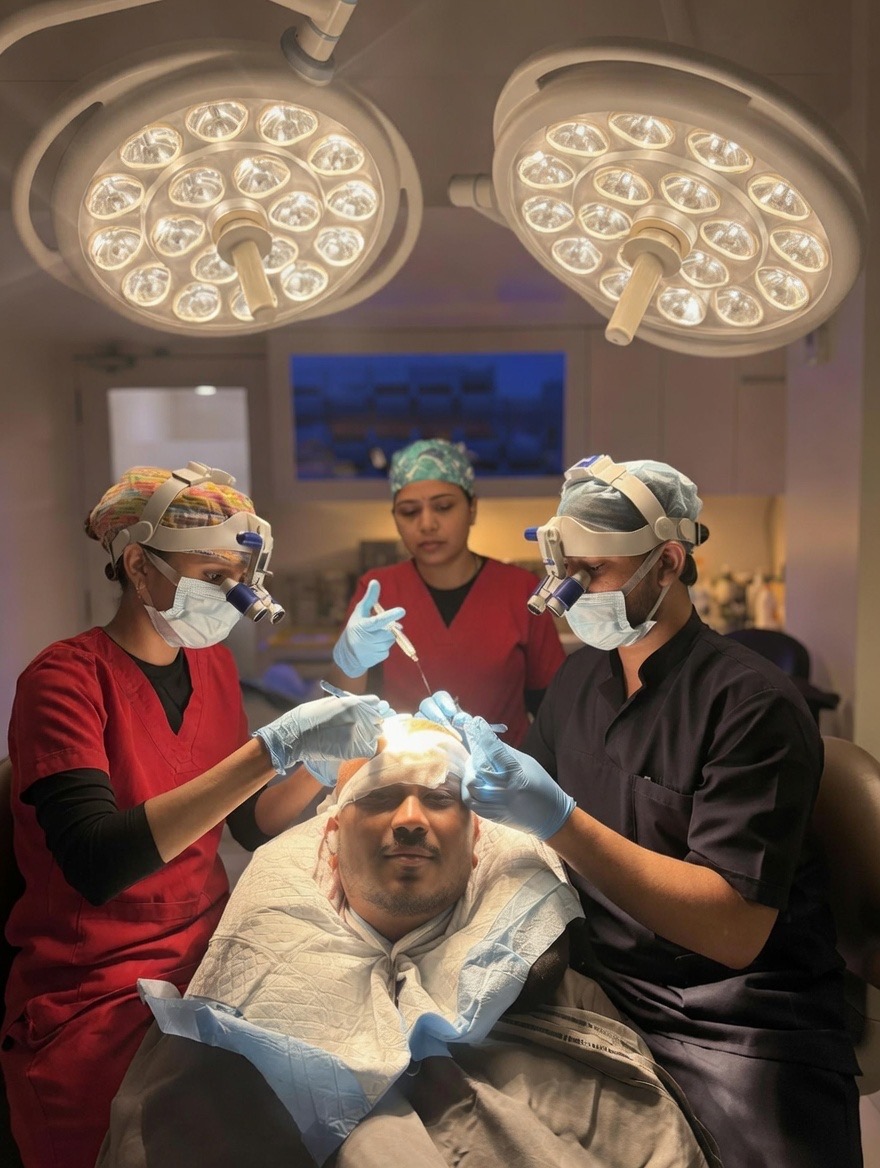
Advancements in robotics and automation further refined precision and efficiency. Indian clinics now offer state-of-the-art facilities, attracting global attention for high-quality yet affordable procedures. Surgeons continually refine techniques, incorporating PRP therapy, stem cells, and laser technology for improved outcomes.
This evolution marked by enhanced precision, natural results, reduced downtime, and accessibility has positioned India as a hub for cutting-edge hair transplant procedures, catering not only to domestic but also international patients seeking world-class treatment at competitive costs.
Hair Transplant in India→Why It's Worth It
Benefits of Hair Transplant
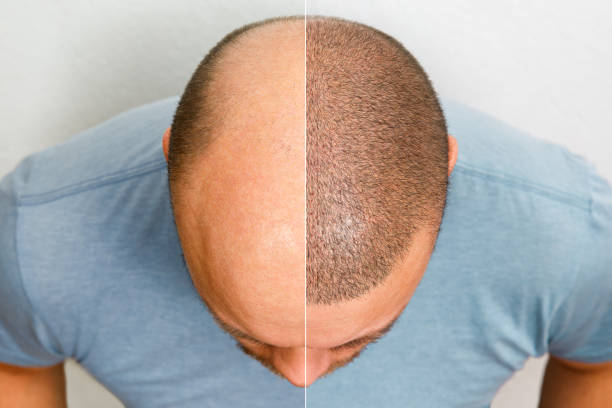
Hair transplant procedures offer a transformative solution for individuals experiencing hair loss restoring not just hair, but confidence and self-assurance, with natural-looking results that last.
Transplanted hair looks and feels natural, seamlessly blending with existing hair for an authentic look.
Offers a lasting solution to hair loss, as transplanted hair continues to grow naturally for a lifetime.
Restoring a fuller head of hair often leads to increased self-esteem and a more positive self-image.
Requires minimal ongoing care, similar to regular hair care routines, after the initial recovery period.
Compared to ongoing expenses on other hair loss treatments, a one-time transplant can be more economical in the long run.
Take the First Step
Ready to Learn More About Your Options?
Book a personalised consultation with our team and take the first step toward natural, lasting results.