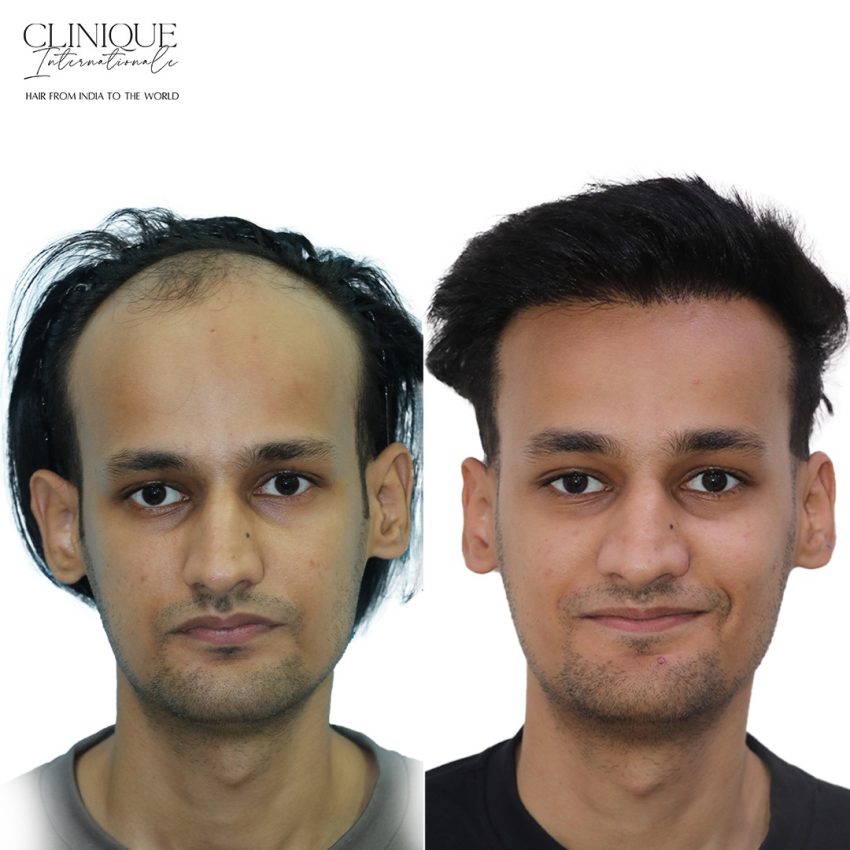
Santacruz is an important part of Mumbai’s aviation and education landscape. With the domestic airport terminal nearby, Mumbai University’s Kalina campus and several commercial areas, many residents have busy schedules involving regular travel.
For people considering hair restoration, one practical question often comes up: how soon can they travel after the procedure?
At Clinique Internationale, founded by Hair Transplant Surgeon Dr. Bhavesh Gupta, patients can discuss their treatment requirements and travel plans before scheduling surgery at the Kharghar centre. Planning ahead helps patients understand the initial recovery period and arrange suitable time for rest and follow-up care.
Travelling from Santacruz to Kharghar
Patients travelling from Santacruz can reach Kharghar through road and rail connections. One possible road route uses the Santacruz–Chembur Link Road, followed by connections towards the Sion–Panvel Highway.
The Harbour Line also connects Mumbai with Kharghar, making rail travel another option. Travel time depends on traffic, starting point and transport availability, so check the route before your consultation.
When Can You Travel After a Hair Transplant?
The right time to travel depends on the procedure, your recovery and the distance involved. A short journey home is different from taking a long-haul flight soon after surgery.
| Travel type | General considerations |
|---|---|
| Short drive home | Usually possible on the day of surgery, but arrange someone else to drive if you have received medication that affects alertness. |
| Domestic flight | Timing should be approved by your surgeon after considering swelling, discomfort and early healing. |
| Long-haul flight | May require a longer recovery interval because of travel duration, limited movement and difficulty accessing your clinic. |
| Hot or humid destinations | Plan for scalp protection and avoid excessive sweating during early recovery. |
| Beach holidays | Delay swimming and prolonged sun exposure until your surgeon confirms that the scalp has healed sufficiently. |
These are general considerations rather than fixed travel dates. Your surgeon should advise when it is appropriate to fly based on your individual condition.
Important Tips for Flying After a Hair Transplant
If your surgeon clears you to travel, a few precautions can make the journey more comfortable.
- Use a suitable neck pillow: Choose a position that avoids direct pressure or rubbing against the transplanted area.
- Handle luggage carefully: Avoid lifting heavy bags into overhead compartments if doing so could cause accidental contact with your scalp.
- Carry essential medicines: Keep prescribed medicines and written aftercare instructions in your hand luggage.
- Stay hydrated: Drink water regularly during the journey.
- Wear headwear only when permitted: Do not wear a cap or other covering unless your surgeon has confirmed that it is safe.
- Follow washing instructions: Continue the recommended scalp-care routine while travelling.
Avoid scratching the scalp, even if it feels dry or itchy. Contact your clinic if you notice unusual discomfort or symptoms that concern you.
What Should You Know About Flying After Surgery?
Many patients worry about cabin pressure after a hair transplant. For an uncomplicated procedure, cabin pressure is not generally considered the main concern. Early graft protection, swelling, discomfort and access to medical advice are more practical considerations.
Some patients experience swelling around the forehead or upper face during the first few days. Its timing and severity vary. Long journeys may also make it harder to maintain a comfortable head position and follow the recommended recovery routine.
Other practical concerns include:
- Accidental contact with seat headrests or overhead compartments.
- Pressure from headphones or tight headwear.
- Difficulty washing the scalp according to instructions.
- Limited access to the treating team if a concern develops.
For these reasons, surgeons may recommend staying near the clinic during the initial recovery period. If you need to travel, discuss the journey duration and arrangements before booking your tickets.
What Happens During a Hair Transplant Procedure?
Clinique Internationale offers Sapphire FUE, a technique that involves extracting individual follicular units from the donor area, usually at the back or sides of the scalp.
The general procedure involves:
- Consultation and planning: The surgeon assesses the scalp, donor area and hair-loss pattern.
- Hairline design: The proposed hairline is planned according to facial proportions and future hair-loss considerations.
- Local anaesthesia: The donor and recipient areas are prepared for the procedure.
- Graft extraction: Individual follicular units are carefully removed from the donor area.
- Recipient-site preparation: Fine sapphire blades are used to create sites for implantation.
- Graft placement: The extracted follicles are placed according to the planned direction, angle and distribution.
The procedure may take several hours, depending on the graft count and treatment plan. Hair growth develops gradually over the following months.
Supportive Treatments During Your Recovery
Some patients may discuss additional hair treatments with their surgeon. These options may support selected hair-restoration plans, but they are not necessary for everyone.
PRP Therapy
Platelet-rich plasma is prepared from the patient’s own blood and may be considered for selected patients with thinning native hair. The clinic’s stated transplant package includes a post-operative head wash with PRP. This is different from a separate PRP therapy session.
GFC Therapy
Growth Factor Concentrate uses growth factor components prepared from the patient’s blood. Your surgeon may discuss it if you have thinning hair around the transplanted area.
Low-Level Laser Therapy
This treatment uses specific wavelengths of light and may be considered as a supportive option for selected patients. If you travel frequently, ask whether the recommended device and treatment schedule can be managed away from the clinic.
The suitability, frequency and expected benefits of these treatments vary. Discuss any additional costs and travel-related arrangements before starting them.
Why Consider Clinique Internationale for Hair Restoration?
When planning treatment around a demanding work schedule, patients should understand the procedure, pricing and follow-up arrangements.
At Clinique Internationale:
- Personalised hairline planning: The proposed design considers your facial features, existing hair and possible future hair loss.
- Hair restoration experience: The clinic reports more than a decade of experience and over 10,000 patients treated across its brand.
- Per-graft pricing: Patients can understand the estimated treatment cost based on their recommended graft count.
- Multiple clinic locations: Patients can ask about available services and follow-up arrangements at Kharghar, Pune, Bengaluru and Shirdi.
Confirm whether follow-up appointments can be arranged at another location before scheduling your procedure. If you expect to be away, discuss how the clinic can assess your recovery and when an in-person examination may be necessary.
Choosing a Hair Transplant Clinic in Mumbai as a Frequent Traveller
If you travel regularly, choosing a clinic involves more than comparing treatment prices. Ask how the clinic handles post-operative concerns when patients are away from the treating surgeon.
Before selecting the Best Hair Transplant Surgeon in Mumbai, consider these questions:
- How long should you remain near the clinic after surgery?
- What should you do if swelling or discomfort develops during travel?
- Which follow-up appointments require an in-person examination?
- Can photographs or video calls be used for selected reviews?
- Who should you contact if you need medical guidance while away?
The Best Hair Transplant Clinic in Mumbai for your needs should explain its follow-up arrangements clearly. When comparing the Best Hair Transplant in Mumbai options, prioritise surgical planning, transparent communication and appropriate aftercare rather than convenience alone.
Hair Transplant Cost and EMI Options in Mumbai
The Hair Transplant Cost depends mainly on the number of grafts required and the treatment plan selected.
Clinique Internationale’s stated per-graft rates are:
- Classic Sapphire FUE: ₹30 per graft.
- Premium Sapphire FUE with direct implantation: ₹50 per graft.
- GST: An additional 5% applies to both plans.
For an estimated session involving 3,400 grafts:
| Treatment plan | Before GST | Including 5% GST |
|---|---|---|
| Classic Sapphire FUE | ₹1,02,000 | ₹1,07,100 |
| Premium Sapphire FUE | ₹1,70,000 | ₹1,78,500 |
The clinic’s stated package includes pre-operative tests, a post-operative head wash with PRP and a three-month hair growth kit. Confirm the current package inclusions and any additional charges during consultation.
Eligible patients can also enquire about Hair Transplant EMI in Mumbai. The available instalment plans, interest rates and approval depend on the finance provider’s terms.
Hair Transplant Post Care While Travelling
Good Hair Transplant Post Care in Mumbai requires consistent attention, even when you have a busy travel schedule.
Before leaving the clinic, make sure you understand:
- How and when to wash your scalp.
- How to protect the recipient area while sleeping.
- Which activities you should temporarily avoid.
- How to take prescribed medicines, if any.
- When your next follow-up is due.
- Whom to contact if you notice unexpected symptoms.
Avoid planning back-to-back work trips immediately after surgery. Allow enough time for rest and early recovery, and obtain your surgeon’s clearance before travelling.
Frequently Asked Questions
1. Can I fly the day after a hair transplant?
It may be possible in selected circumstances, but it is not advisable to assume that every patient can fly the next day. Your surgeon should assess your recovery and travel requirements before approving the journey.
2. Does cabin pressure affect transplanted grafts?
Cabin pressure is not generally considered the main concern after an uncomplicated hair transplant. Accidental contact, pressure on the scalp and early recovery needs are more important practical considerations.
3. Can my follow-up appointment be arranged from another city?
Some follow-ups may be possible through photographs or video consultations, depending on the clinic’s arrangements and your recovery. Certain concerns still require an in-person examination.
4. Is it safe to wear headphones after a hair transplant?
Headphones that press against the scalp or transplanted area should be avoided until your surgeon clears them. Ask when you can safely resume using your preferred type.
5. Can I carry a low-level laser device through airport security?
Portable devices may be permitted, but airline and airport rules can vary, especially for equipment containing batteries. Check the relevant travel requirements before departure.
6. Should I schedule a hair transplant just before a long trip?
It is generally better to leave sufficient recovery time between surgery and a long journey. Discuss your travel dates with the surgeon before booking flights, as the appropriate interval varies between patients.
Plan Your Hair Transplant Around Your Travel Schedule
A well-planned procedure should account for your recovery needs as well as your professional and personal commitments. If you are considering a Hair Transplant in Santacruz, contact Clinique Internationale to discuss your hair-loss concerns and arrange a consultation at its Kharghar centre.
Share your front, side and top scalp photographs along with your tentative travel dates. The team can discuss the treatment process and help you understand what recovery arrangements to plan.
Call Us: +91 9082123009