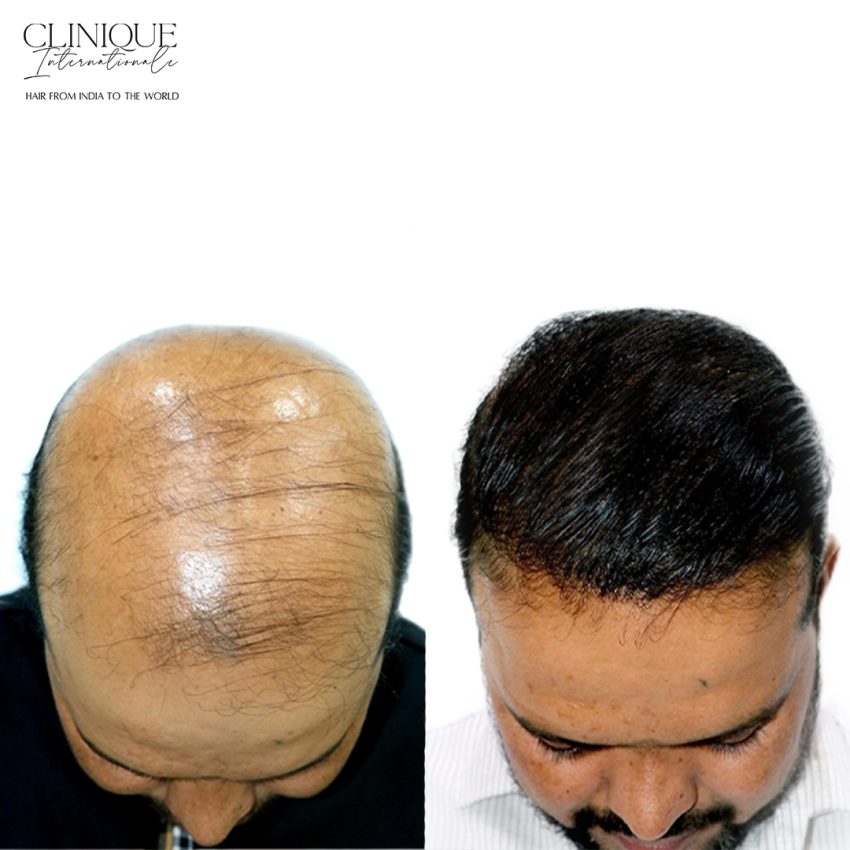
Hair Transplant in Powai
Powai is known for its academic and technology-focused surroundings. With IIT Bombay near Powai Lake and the business community of Hiranandani Gardens, the suburb has a strong connection with science, research and innovation.
Hair restoration also involves careful planning and attention to detail. One important factor is graft survival: whether the transplanted hair follicles remain healthy after extraction and continue growing once implanted.
Clinique Internationale treats patients from Powai at its Kharghar centre. Founded by Hair Transplant Surgeon Dr. Bhavesh Gupta, the clinic offers hair restoration procedures that focus on donor assessment, graft placement and post-operative care.
Travelling from Powai to Kharghar
Patients travelling from Powai can reach the Kharghar centre through road and rail connections. One possible road route follows JVLR towards the Eastern Express Highway, with onward connections through the Airoli area and Thane–Belapur Road.
Kharghar is also connected through the Harbour Line and Navi Mumbai Metro. The most suitable route depends on your starting point, traffic conditions and preferred mode of transport. Confirm the clinic address before travelling.
What Does a Hair Graft Need to Survive?
A hair graft contains living follicular tissue. During a transplant, the surgeon removes follicular units from the donor area and places them into selected areas of the scalp.
Between extraction and implantation, grafts remain outside the body. Their condition during this period can influence the chances of successful growth.
Four important factors affect graft handling:
- Time outside the body: Grafts should be implanted within an appropriate period. Avoiding unnecessary delays helps maintain their condition.
- Moisture and storage: Follicular tissue must not dry out. Clinics use suitable storage conditions to help protect extracted grafts.
- Gentle handling: Excessive pressure, crushing or rough handling can damage delicate follicular structures.
- Correct placement: The depth, angle and direction of implantation influence graft positioning and the natural appearance of the result.
These factors work together. No single technique can guarantee that every extracted graft will grow.
Understanding the Structure of a Hair Follicle
A hair follicle contains several structures that contribute to hair growth. Two important components are the dermal papilla and the follicular stem-cell region.
The dermal papilla sits near the base of the hair follicle and plays an important role in regulating hair growth through communication with surrounding cells.
The bulge region contains stem cells that help maintain and regenerate follicular structures during the hair growth cycle.
Damage to important follicular structures during extraction, handling or implantation may reduce the chance of successful growth. This is why careful graft handling matters throughout the procedure.
After implantation, the graft initially receives oxygen and nutrients from the surrounding tissue. As healing progresses, blood vessels support the transplanted tissue. This process is one reason why healthy scalp conditions and appropriate aftercare are important.
How Clinique Internationale Approaches Graft Placement
Clinique Internationale offers Sapphire FUE, a hair transplant technique in which individual follicular units are extracted from the donor area. Fine sapphire blades are used to prepare recipient sites for implantation.
The clinic also describes its Premium plan as including DGI (Direct Graft Implantation). According to the clinic’s stated approach, finer one- and two-hair grafts may be placed along the front hairline using delicate forceps, while fuller grafts may be implanted further back using implanter pens.
Graft selection and placement depend on the patient’s hair characteristics, donor supply and treatment plan. The aim is to distribute the grafts in a way that supports natural-looking coverage.
During consultation, ask the surgeon how grafts are handled, what storage conditions are used and how the proposed implantation technique suits your requirements.
What Happens After Grafts Are Implanted?
The first days after a hair transplant are important because the recipient area begins its healing process. Newly implanted grafts need protection from unnecessary pressure and friction.
During this period:
- Avoid rubbing, scratching or picking at the recipient area.
- Follow the clinic’s recommended washing instructions.
- Avoid tight headwear unless your surgeon permits it.
- Sleep in the position advised by your surgical team.
- Attend recommended follow-up appointments.
As healing progresses, the grafts become more secure. However, the timing varies, so follow your surgeon’s specific instructions rather than relying on a fixed number of days.
How Many Transplanted Grafts Actually Grow?
Most appropriately selected and carefully handled grafts can produce hair growth, but survival is never guaranteed to be 100%.
The outcome depends on several factors, including:
- Donor hair quality and follicular health.
- Extraction and implantation technique.
- Graft handling and time outside the body.
- Scalp condition and individual healing response.
- Compliance with post-operative instructions.
Some transplanted hairs may shed during the early growth cycle. This is commonly called shock shedding or post-transplant shedding. In many cases, the follicles remain in place and begin producing new hair as the growth cycle progresses.
Patients should discuss expected growth stages and individual variations with their surgeon.
The Science Behind PRP, GFC and Laser Therapy
Some patients may benefit from supportive treatments alongside their hair restoration plan. Three options commonly discussed include PRP, GFC and low-level laser therapy.
PRP Therapy
Platelet-rich plasma is prepared from a patient’s own blood. It contains concentrated platelets that release growth factors involved in tissue repair and cellular communication. PRP may be considered to support hair health in selected patients, although results vary.
Clinique Internationale’s stated transplant package includes a post-operative head wash with PRP. This should not be confused with a separate course of PRP therapy.
GFC Therapy
Growth Factor Concentrate treatment uses growth factor components obtained from the patient’s blood through a preparation process. It may be considered for selected patients with thinning native hair. Its suitability depends on individual assessment.
Low-Level Laser Therapy
Low-level laser therapy uses specific wavelengths of red or near-infrared light. This approach is studied for its potential effects on cellular activity and hair growth. However, the response varies, and it is not suitable or necessary for everyone.
Evidence for these supportive treatments continues to develop. Your hair transplant surgeon can explain their potential benefits, limitations and costs before recommending them.
What to Look for in a Hair Transplant Clinic
When comparing the Best Hair Transplant Clinic in Mumbai options, patients should look beyond the number of grafts advertised.
Consider asking these questions:
- How are grafts extracted and handled?
- What storage conditions are followed before implantation?
- How does the surgeon plan the hairline and recipient sites?
- Who performs the important surgical steps?
- What aftercare instructions and follow-up arrangements are provided?
- How is the treatment cost calculated?
Clinique Internationale reports more than a decade of hair restoration experience and over 10,000 patients treated across its brand. Patients can discuss the clinic’s treatment approach, graft handling and expected outcomes during consultation.
The Best Hair Transplant Surgeon in Mumbai for your needs should explain the procedure clearly and provide realistic expectations. Ultimately, the Best Hair Transplant in Mumbai is not simply the one with the highest advertised graft count. Suitability, planning and careful execution matter just as much.
Hair Transplant Cost and EMI Options in Mumbai
The overall Hair Transplant Cost depends on the number of grafts required and the treatment plan selected.
Clinique Internationale’s stated per-graft rates are:
- Classic Sapphire FUE: ₹30 per graft.
- Premium Sapphire FUE with direct implantation: ₹50 per graft.
- GST: An additional 5% applies to either plan.
For an estimated procedure involving 2,300 grafts:
| Treatment plan | Before GST | Including 5% GST |
|---|---|---|
| Classic Sapphire FUE | ₹69,000 | ₹72,450 |
| Premium Sapphire FUE | ₹1,15,000 | ₹1,20,750 |
The clinic’s stated package includes pre-operative tests, a post-operative head wash with PRP and a three-month hair growth kit. Confirm the current package inclusions and any additional charges during consultation.
Eligible patients can also ask about Hair Transplant EMI in Mumbai. Instalment amounts, interest and approval depend on the finance provider’s terms.
Protecting Your Grafts Through Aftercare
Good Hair Transplant Post Care in Mumbai involves following the instructions provided by your surgical team.
For the initial recovery period:
- Sleep with your head positioned as advised.
- Avoid touching, rubbing or scratching the transplanted area.
- Wash your scalp only according to the recommended method.
- Protect the scalp from direct sunlight and accidental contact.
- Avoid strenuous exercise until your surgeon permits it.
- Attend follow-up appointments to monitor healing.
Smoking and nicotine can affect blood circulation and wound healing. Discuss smoking cessation and the appropriate period of avoidance with your surgeon. Do not assume that occasional smoking is harmless during recovery.
Frequently Asked Questions
1. Can a transplanted graft fall out after surgery?
A graft may become dislodged during the early healing period if it experiences pressure, rubbing or accidental trauma. Following the recommended aftercare instructions helps reduce this risk.
2. Why does transplanted hair shed after a procedure?
Temporary shedding is a common part of the post-transplant growth cycle. The transplanted follicles may remain in place and produce new hair as the cycle progresses.
3. Does FUE permanently damage the donor area?
FUE involves removing individual follicular units from the donor area, leaving small extraction marks. The surgeon distributes extractions carefully, but excessive harvesting can affect donor appearance. The safe graft count depends on donor density and quality.
4. Is hair graft survival guaranteed?
No. Graft survival cannot be guaranteed because it depends on handling, healing and individual factors. Careful surgical technique and appropriate aftercare help support the best possible outcome.
5. What wavelength do low-level laser hair devices use?
Different devices use different wavelengths, often within the red and near-infrared ranges. Ask your surgeon about the specific device, its intended use and whether it is appropriate for your scalp condition.
6. Does smoking affect transplanted grafts?
Nicotine can narrow blood vessels and may interfere with circulation and healing. Discuss smoking and nicotine use with your surgeon before and after the procedure.
Discuss Your Hair Restoration Questions
Understanding graft survival can help you make a more informed decision about hair restoration. If you are considering a Hair Transplant in Powai, contact Clinique Internationale to discuss your hair-loss concerns and arrange a consultation at its Kharghar centre.
You can share front, side and top photographs of your scalp for an initial discussion. The surgeon can assess your requirements and explain the suitable treatment options.
Call Us: +91 9082123009