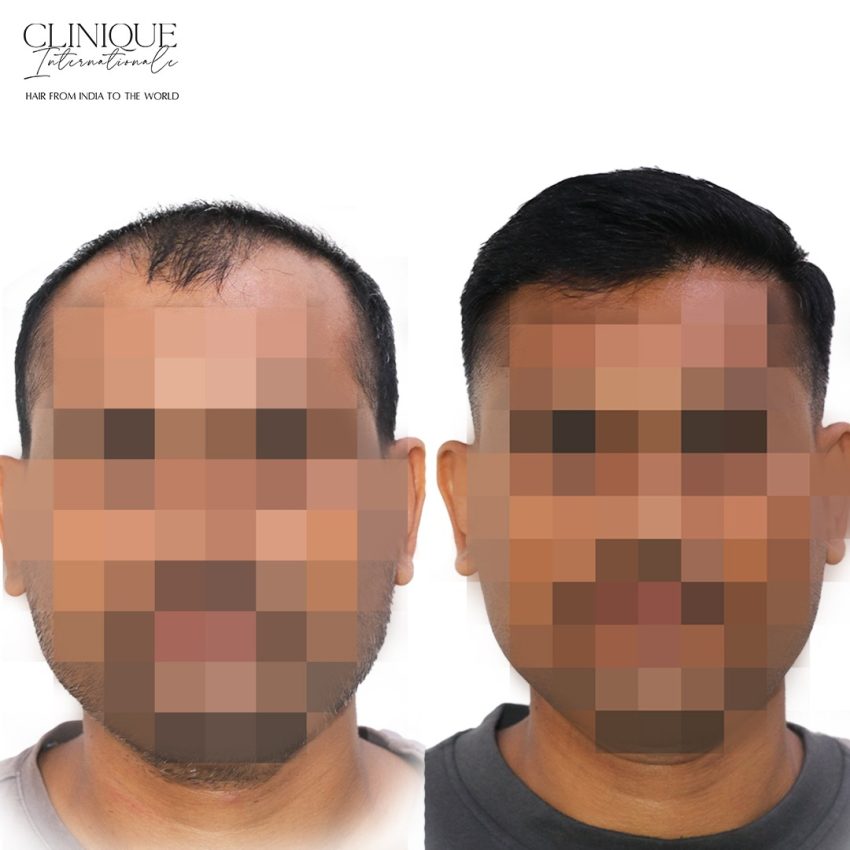
Malad brings together commercial areas such as Mindspace, shopping destinations like Inorbit and Infiniti malls, and coastal neighbourhoods around Marve and Aksa. For residents planning to stay in the area, hair restoration often raises an important question: how can they maintain their results over time?
A hair transplant can restore hair in selected areas, but it does not stop natural hair loss in untreated parts of the scalp. Therefore, long-term planning should be part of the treatment discussion from the beginning.
Clinique Internationale, founded by Hair Transplant Surgeon Dr. Bhavesh Gupta, provides hair restoration consultations at its Kharghar clinic. Patients from Malad can discuss their hair loss pattern, donor area, treatment options and long-term care requirements before making a decision.
Travelling from Malad to Kharghar
Patients travelling from Malad can reach Kharghar by road or rail. The most suitable route depends on traffic, your starting point and the time of your appointment.
If you plan to travel by car, check the route and expected journey time before leaving. You can also confirm the clinic address and appointment details with the team in advance.
Why Hair Transplant Results Need Long-Term Care
Transplanted follicles are usually taken from the donor area, where hair tends to be more resistant to androgenetic hair loss. As a result, transplanted hair can often provide long-lasting coverage.
However, the surrounding native hair may continue to thin with age and genetic hair loss. This can change the appearance of the overall hairline or density over time.
For example, a patient may have good coverage after surgery but notice further thinning in untreated areas several years later. This does not necessarily mean the transplanted follicles have failed. It may reflect the progression of natural hair loss.
A long-term plan should therefore consider both transplanted hair and existing native hair.
Treatment Options Your Surgeon May Discuss
Your surgeon may recommend different approaches depending on your hair loss pattern, medical history and treatment goals.
| Approach | Purpose | Important considerations |
|---|---|---|
| Prescription medicines | May help slow ongoing pattern hair loss | Requires medical assessment and discussion of possible side effects |
| Topical treatments | May support existing hair in suitable patients | Benefits depend on regular use and individual response |
| PRP therapy | May be considered as a supportive treatment | Results vary, and it is not suitable for everyone |
| GFC therapy | Uses growth factor concentrate prepared from blood components | Discuss its suitability and expected benefits with your surgeon |
| Periodic reviews | Help monitor changes in hair density and pattern | Progress photographs can help compare results over time |
Not every patient needs all these options. Do not start, change or stop prescription medicines without speaking to your treating doctor.
What Might a Hair Maintenance Plan Include?
There is no single maintenance schedule that suits everyone. Your surgeon may suggest a review plan based on your recovery, ongoing hair loss and response to treatment.
A general follow-up approach may include:
- Early recovery: Follow the prescribed washing routine, medication instructions and activity restrictions. Attend the recommended post-operative reviews.
- First few months: Discuss whether additional PRP therapy or GFC sessions may be appropriate. These are separate supportive treatments and are not automatically required.
- After scalp healing: Your surgeon may discuss low-level laser therapy if it suits your condition. Follow the recommended frequency and device instructions.
- Around six months: Review photographs and discuss changes in density, growth and native hair.
- Around twelve months: Assess the overall result and decide whether the maintenance plan needs adjustment.
The timing of reviews and additional treatments depends on individual progress. A post-procedure head wash with PRP included in the stated package is not the same as a separate PRP therapy session.
Everyday Habits That Support Scalp Health
Daily care cannot prevent every form of hair loss, but healthy habits can support general scalp and hair health.
- Treat dandruff, itching or other scalp concerns with suitable medical advice.
- Avoid hairstyles that place repeated tension on the hair.
- Be gentle while washing, drying and styling your hair.
- Follow a balanced diet and address nutritional deficiencies if diagnosed.
- Maintain a regular sleep routine and manage stress where possible.
- Avoid smoking and follow your surgeon’s recovery advice after surgery.
If you notice sudden or unusual shedding, consult a dermatologist or your treating surgeon rather than trying multiple products without guidance.
How the Hair Transplant Procedure Works
Clinique Internationale offers Sapphire FUE hair transplantation. During this procedure, individual follicular units are extracted from the donor area and placed into areas affected by thinning or hair loss.
The surgeon assesses donor density, the pattern of hair loss and the patient’s hairline preferences before planning graft placement. The design should also consider the possibility of future hair loss in untreated areas.
A suitable hairline should complement facial features and look natural as the patient ages. The number of grafts required depends on the available donor supply and the area that needs coverage.
Long-Term Planning at Clinique Internationale
When considering a Hair Transplant in Malad, patients should ask how the clinic plans for future hair loss, not just the immediate result.
Clinique Internationale highlights the following aspects of its approach:
- Hairline planning that considers facial features and potential future hair loss.
- Sapphire FUE treatment options based on individual assessment.
- More than a decade of experience and over 10,000 patients, as reported by the clinic.
- Guidance about post-operative care and possible supportive treatments.
- Per-graft pricing and a written estimate following consultation.
During your consultation, ask which stages are performed by the surgeon, what the package includes and how follow-up care is arranged.
Choosing a Hair Transplant Clinic in Mumbai
When comparing options for the Best Hair Transplant Surgeon in Mumbai, look beyond photographs and promotional claims. Ask how the surgeon assesses donor hair, plans the hairline and accounts for progressive hair loss.
A responsible clinic should explain the limitations of transplantation, the possibility of future thinning and the role of medicines or supportive treatments. It should also provide clear information about pricing, recovery and follow-up arrangements.
The Best Hair Transplant Clinic in Mumbai should help you understand what surgery can achieve and what ongoing care may involve. No clinic can guarantee that natural hair loss will stop or that results will remain unchanged throughout life.
Hair Transplant Cost in Mumbai and EMI Options
The Hair Transplant Cost in Mumbai depends on the number of grafts required and the technique selected. Clinique Internationale lists the following per-graft rates:
| Technique | Rate per graft | Cost for 2,150 grafts |
|---|---|---|
| Classic Sapphire FUE | ₹30 | ₹64,500 |
| Premium Sapphire FUE with Direct Implantation | ₹50 | ₹1,07,500 |
An additional 5% GST applies.
| Technique | Cost before GST | Cost including 5% GST |
|---|---|---|
| Classic Sapphire FUE | ₹64,500 | ₹67,725 |
| Premium Sapphire FUE | ₹1,07,500 | ₹1,12,875 |
The stated package includes pre-operative tests, a post-procedure head wash with PRP and a three-month hair growth kit. Additional PRP or GFC sessions and laser therapy, if recommended, are quoted separately. Confirm the current package details and final estimate before booking.
Patients who prefer to spread the payment over time can ask about available Hair Transplant EMI Options in Mumbai. Approval and repayment terms depend on eligibility and the applicable payment arrangements.
Hair Transplant Post-Care Beyond the First Year
Hair Transplant Post Care in Mumbai should include more than the initial healing period. Once the scalp has recovered, periodic reviews can help assess changes in transplanted and native hair.
Your surgeon may recommend progress photographs, scalp assessments or adjustments to your maintenance plan. If you notice new thinning or changes in hair density, discuss them during a review instead of assuming that another transplant is necessary.
Frequently Asked Questions
1. Will transplanted hair fall out as I get older?
Transplanted follicles are generally more resistant to pattern hair loss, so they often last for many years. However, normal ageing and changes in hair characteristics can still occur.
2. Do I need to take hair loss medication for life?
Not necessarily. The duration depends on your hair loss pattern, treatment response and medical advice. Discuss the benefits and possible side effects with your doctor.
3. Is PRP included in the hair transplant package?
The stated package includes a post-procedure head wash with PRP. This is different from a separate PRP therapy session. Ask the clinic about the availability and cost of additional sessions.
4. Can I stop medication once my hair grows back?
Do not stop prescribed treatment without medical advice. Some medicines help maintain existing native hair, and stopping them may allow hair loss to progress again.
5. Is GFC better than PRP?
GFC and PRP use different preparation methods involving blood components. Neither is automatically better for every patient. Your surgeon can explain the options and their suitability.
6. When can I expect to see the effects of laser therapy?
Low-level laser therapy, when suitable, requires consistent use over time. Individual responses vary, and it should not be treated as a guaranteed solution for hair loss.
Plan for the Long Term
A hair transplant consultation should cover more than graft numbers and the procedure date. Understanding your current hair loss, donor supply and possible future thinning can help you make a more informed decision.
Patients from Malad can contact Clinique Internationale to discuss treatment options, estimated costs and long-term care at its Kharghar clinic.
Call Us: +91 9082123009