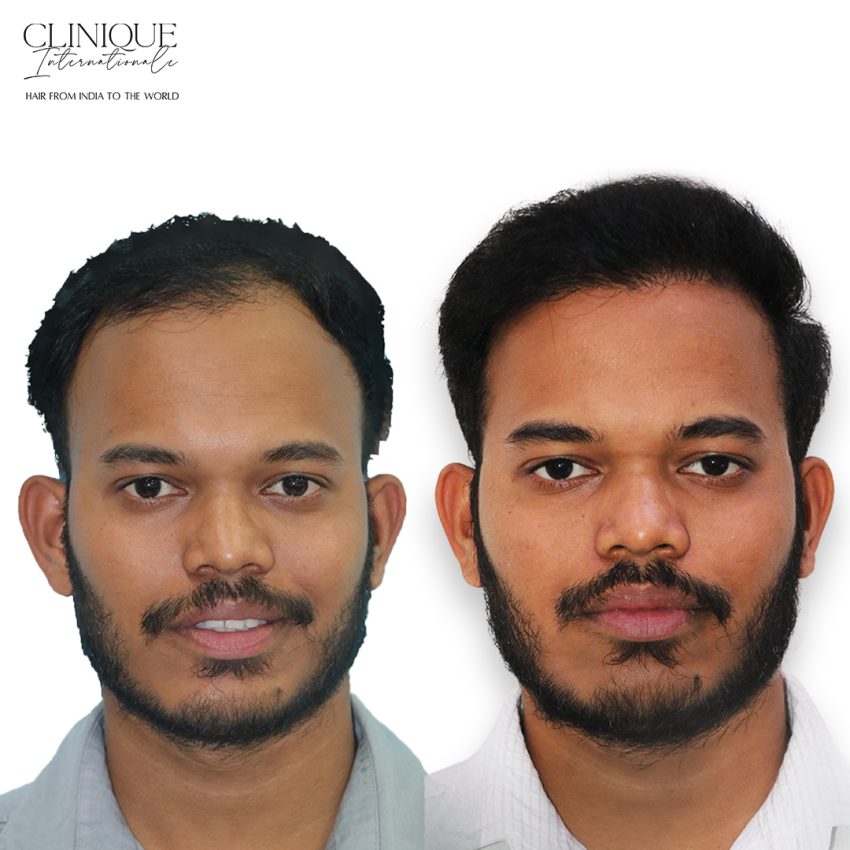
Juhu is known for its beach, film industry connections, Prithvi Theatre and ISKCON temple. Its coastal lifestyle also means that swimming, beach walks and outdoor activities are part of everyday life for many residents.
However, these activities need some planning after a hair transplant. The scalp requires time to heal, and exposure to salt water, chlorine, sand and direct sunlight may cause irritation during the early recovery period.
At Clinique Internationale, founder and Hair Transplant Surgeon Dr. Bhavesh Gupta provides guidance on scalp protection and post-procedure care at the Kharghar clinic. Patients considering a Hair Transplant in Juhu can discuss their lifestyle, travel plans and outdoor activities before choosing a procedure date.
Travelling from Juhu to Kharghar
Patients travelling from Juhu can reach Vile Parle railway station and take a train towards the Harbour Line, changing at Wadala Road for a Panvel-bound local towards Kharghar.
Road travel is another option through the Western Express Highway and connecting routes towards the Sion–Panvel Highway. The best route depends on traffic and your starting point.
Check current train schedules and road conditions before planning your consultation.
Sea, Swimming Pools and Sun Exposure After a Hair Transplant
After a hair transplant, the recipient and donor areas need time to heal. During this period, avoid activities that expose the scalp to unnecessary irritation, pressure or contamination.
Keep these precautions in mind:
- Beach walks: Short, gentle walks may be possible once you feel comfortable. Avoid direct sun, sand and windy conditions during the early healing period.
- Sea swimming: Salt water, sand and waves can irritate healing areas. Wait until your surgeon confirms that swimming is safe.
- Swimming pools: Chlorinated water and possible exposure to microorganisms make it important to wait until the scalp has healed.
- Direct sunlight: Protect the scalp from strong sunlight, especially during the initial weeks. Follow your surgeon’s advice about hats and sunscreen.
- Beach sports: Avoid activities involving sweating, physical contact or the risk of a head injury until you receive medical clearance.
There is no single swimming date that suits every patient. Your surgeon will consider healing, scabbing and the condition of the treated areas before advising when you can return to the sea or pool.
Why Water and Sun Protection Matter
The recipient area contains small sites where grafts have been placed. These areas need time to settle and heal.
Salt water and chlorine may irritate sensitive skin. Sand can also cause discomfort if it comes into contact with healing areas. In addition, direct sunlight can irritate the scalp and increase the risk of sunburn.
Following the recommended precautions helps protect the healing skin and reduces avoidable irritation. Do not rush back to swimming simply because the scalp looks better from the outside.
Protecting a Healing Scalp from Sunburn
The scalp may be more exposed after a transplant because the surrounding hair is often trimmed. The donor area may also have shorter hair than usual, leaving parts of the skin exposed.
During recovery, direct sunlight can cause discomfort and sunburn. Healing skin may also be more prone to pigmentation changes after irritation.
Consider these precautions:
- Avoid prolonged exposure to direct sunlight during the early recovery period.
- Wear a loose, comfortable hat once your surgeon permits it.
- Do not apply sunscreen directly to healing grafts without medical clearance.
- Avoid rubbing or scratching the scalp when applying approved products.
- Follow your surgeon’s advice about sun protection even during cloudy weather.
Mumbai’s coastal climate can involve strong sunlight throughout the year. Therefore, scalp protection remains important even after the initial healing period.
Understanding the Sapphire FUE Procedure
Clinique Internationale offers Sapphire FUE hair transplantation. During the procedure, individual hair follicles are extracted from a suitable donor area and placed in areas that need additional coverage.
The surgeon plans the hairline, graft placement and hair direction according to facial features, existing hair and donor availability.
The final appearance develops gradually. Results depend on several factors, including graft quality, healing, individual hair characteristics and future hair loss. A consultation helps determine whether the procedure is suitable for you.
PRP, GFC and Laser Therapy After a Hair Transplant
Patients may also ask about supportive treatments such as Platelet-Rich Plasma (PRP), Growth Factor Concentrate (GFC) and low-level laser therapy.
- PRP therapy: Uses platelet-rich components obtained from the patient’s blood. The treatment involves injections and may cause temporary tenderness or redness.
- GFC therapy: Uses concentrated growth factor components obtained from the patient’s blood. Your surgeon can explain whether it may be appropriate for your hair concerns.
- Low-level laser therapy: Uses controlled light energy and is different from natural sunlight. Its suitability and timing depend on the treatment plan and scalp condition.
After PRP or GFC, follow the clinic’s instructions about washing, swimming and sun exposure. Do not assume that you can return to the beach immediately after a session.
Also, confirm the exact PRP service included in your transplant package. A post-procedure head wash with PRP is different from a separate PRP therapy session.
What Juhu Patients Can Expect at Clinique Internationale
When choosing a Hair Transplant Clinic in Mumbai, patients should consider the procedure, hairline planning and aftercare support.
Clinique Internationale highlights the following aspects of its services:
- Personalised hairline planning based on facial features and donor hair.
- Guidance on scalp care and recovery after treatment.
- A three-month hair growth kit included in the stated transplant package.
- More than a decade of experience and over 10,000 patients, as reported by the clinic.
- Locations in Kharghar, Pune, Bengaluru and Shirdi.
Ask the clinic to confirm current package inclusions, follow-up arrangements and the availability of aftercare support before booking.
Choosing the Best Hair Transplant Surgeon in Mumbai
If you are comparing options for the Best Hair Transplant Surgeon in Mumbai, ask about recovery restrictions as well as the procedure itself.
This is especially important if you regularly swim, visit the beach or participate in outdoor sports. Discuss your usual activities and ask when you may safely return to them.
The Best Hair Transplant Clinic in Mumbai should explain the limitations of treatment, expected recovery stages and long-term care. A suitable plan should consider your lifestyle without promising a specific result or an unrealistic recovery timeline.
Hair Transplant Cost in Mumbai and EMI Options
The Hair Transplant Cost in Mumbai depends on the number of grafts required and the treatment option selected. Clinique Internationale’s stated rates are:
| Treatment option | Rate per graft | Cost for 2,750 grafts |
|---|---|---|
| Classic Sapphire FUE | ₹30 | ₹82,500 |
| Premium Sapphire FUE with direct implantation | ₹50 | ₹1,37,500 |
An additional 5% GST applies. The estimated totals are:
- Classic Sapphire FUE: ₹86,625 including GST.
- Premium Sapphire FUE: ₹1,44,375 including GST.
The stated package includes pre-operative tests, a post-procedure head wash with PRP and a three-month hair growth kit. Confirm the current package inclusions and final quotation during your consultation.
Patients can also ask about hair transplant EMI options in Mumbai. EMI availability depends on eligibility and the applicable payment terms.
Hair Transplant Post Care in Mumbai for Beach Lovers
Good Hair Transplant Post Care in Mumbai involves protecting both the recipient and donor areas.
Your aftercare routine may include:
- Following the recommended scalp-washing instructions.
- Avoiding swimming until the surgeon gives clearance.
- Protecting the scalp from direct sunlight.
- Avoiding sand, friction and unnecessary scalp contact.
- Resuming exercise and beach sports gradually, as advised.
- Attending scheduled follow-up appointments.
If you notice increasing redness, unusual pain, discharge or other unexpected symptoms, contact your clinic rather than trying to manage them yourself.
Frequently Asked Questions
1. When can I swim in the sea after a hair transplant?
You should wait until your surgeon confirms that the scalp has healed sufficiently. The timing varies between patients, so do not rely on a fixed number of days.
2. Can I apply sunscreen to my scalp after surgery?
Avoid applying sunscreen directly to healing grafts. Once the skin has recovered, ask your surgeon which sunscreen is suitable.
3. Can I wear a hat after a hair transplant?
A loose hat may be permitted after a certain stage of recovery. Avoid tight caps or anything that rubs against the grafts until your surgeon approves it.
4. What should I do if I get caught in the rain?
Follow your clinic’s instructions for keeping the scalp clean and dry. Avoid rubbing it with a towel or scratching the treated areas.
5. Can I play beach volleyball a few weeks after surgery?
Wait until your surgeon clears you for physical activity and contact sports. Sweating, sudden movements and accidental head impacts may pose problems during recovery.
6. Can sun exposure affect the donor area?
Yes. Healing skin can be sensitive to sunlight and may develop irritation or pigmentation changes. Protect the donor area until your surgeon confirms that normal outdoor exposure is suitable.
Plan Your Hair Transplant Around Beach Season
If you are considering a hair transplant, discuss your swimming habits, beach visits and outdoor activities during your consultation. Planning ahead can make it easier to follow recovery instructions without disrupting your routine.
Share a few scalp photographs with Clinique Internationale to begin your assessment and discuss suitable treatment options.
Call: +91 9082123009