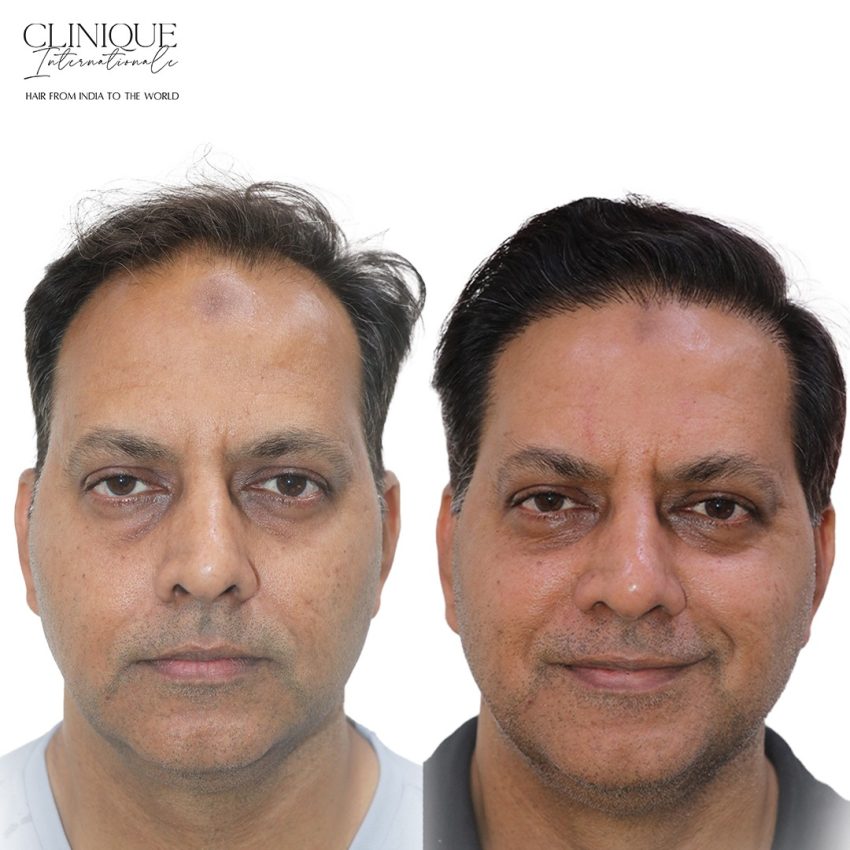
Jaipur is known for its historic architecture, vibrant markets and warm climate. For people experiencing thinning hair, a receding hairline or pattern baldness, choosing the right treatment involves understanding the procedure, recovery requirements and long-term hair restoration goals.
If you are considering a Hair Transplant in Jaipur, Clinique Internationale can help you explore personalised hair restoration options. Treatment recommendations depend on your hair loss pattern, scalp health, donor hair availability and expectations.
Hair transplantation involves transferring suitable hair follicles from a donor area, usually at the back or sides of the scalp, to areas affected by hair loss. Careful planning helps determine the coverage that may be achievable while making appropriate use of the available donor hair.
How Does Hair Transplant Surgery Work?
The process begins with a consultation. The surgeon evaluates your hair loss pattern, examines your scalp and assesses the donor area to determine whether transplantation may be appropriate.
If surgery is suitable, the treatment plan considers:
- Hairline design: Planning a hairline that complements your facial proportions and existing hair.
- Graft requirements: Estimating the number of follicles needed for the intended coverage.
- Density and placement: Considering the affected areas and natural direction of hair growth.
- Donor hair management: Evaluating the available supply and possible future hair loss.
- Recovery planning: Explaining aftercare, potential risks and follow-up requirements.
For anyone researching a Hair Transplant in Jaipur, a personalised consultation can clarify the available options and help establish realistic expectations. Results vary according to individual hair characteristics, donor availability and healing.
Hair Transplant Aftercare in Jaipur’s Climate
Jaipur can experience hot, sunny weather, particularly during summer. After a hair transplant, protecting the scalp and following the treating surgeon’s instructions are important, regardless of the season.
Protect Your Scalp from Direct Sunlight
Avoid direct sun exposure during the early recovery period as advised by your surgeon. Ask when it is safe to wear a loose-fitting cap or other head covering. Do not allow anything to rub against or put pressure on the transplanted area before you receive clearance.
Avoid Heavy Exercise and Excessive Sweating
Strenuous workouts and activities that cause heavy sweating may need to be restricted during early recovery. Follow your surgeon’s advice about when you can resume exercise, swimming and outdoor activities.
Follow the Recommended Sleeping Position
Your surgeon may recommend sleeping with your head elevated during the first few nights to help manage swelling. Follow the instructions specific to your procedure.
Keep the Scalp Clean as Directed
Use the washing method and products recommended by your treating clinician. Avoid scratching, rubbing or picking at crusts, as this can disturb healing.
Stay Hydrated
Drinking enough water is particularly important during hot weather. However, hydration alone does not prevent complications, so continue following all your post-operative instructions.
Attend Follow-Up Appointments
Follow-up visits allow your treating team to review healing and address concerns. If you return to Jaipur after treatment in another city, ask whether remote follow-up is appropriate and when an in-person examination may be needed.
Travelling from Jaipur for Hair Transplant Treatment
People searching for a Hair Transplant in Jaipur may also compare clinics in other cities. Clinique Internationale has stated locations in Mumbai, Pune, Bengaluru and Shirdi. Contact the clinic to confirm current branch addresses and the location best suited to your treatment needs.
Before arranging your journey, consider these practical steps:
- Initial discussion: Ask whether scalp photographs can be shared for a preliminary conversation.
- In-person consultation: Final suitability and treatment planning require an appropriate clinical assessment.
- Transport: Compare current flight and rail schedules for your intended destination.
- Accommodation: If you are travelling for surgery, plan your stay around the procedure and recommended follow-up.
- Return journey: Ask your surgeon when it is appropriate to travel and whether you need to remain near the clinic during early recovery.
Transport routes, flight availability and journey times can change. Confirm current schedules and the clinic’s address before booking. Do not choose a branch based on flight convenience alone; consider follow-up access and the treatment team’s recommendations.
Hair Restoration Services and Assessment
Hair restoration needs differ between individuals. Clinique Internationale can discuss treatment options based on the patient’s hair loss pattern, scalp condition and donor hair availability.
Hair Loss Evaluation
The assessment considers the pattern and extent of thinning, scalp health and possible causes of hair loss. Further medical evaluation may be recommended when necessary.
Hair Transplant Planning
The surgeon assesses whether transplantation may be suitable and discusses the areas that could be treated, the expected coverage and the number of grafts required.
Hairline Restoration
Hairline design considers facial proportions, existing hair growth and potential future hair loss. The aim is to plan a suitable transition between transplanted and surrounding hair.
Treatment for Reduced Hair Density
Thinning may affect the temples, mid-scalp or crown. The proposed approach depends on the location and extent of hair loss and the availability of suitable donor follicles.
Male Pattern Hair Loss
A receding hairline, thinning crown or more extensive pattern baldness may require different treatment plans. Assessment helps establish whether transplantation is appropriate.
Female Hair Thinning
Hair thinning in women can have several causes. An individual assessment helps determine whether transplantation or another treatment approach may be suitable.
Donor Area Assessment
The donor area is examined to evaluate the quantity and quality of suitable follicles. Careful planning helps establish realistic treatment limits and considers the possibility of future hair loss.
Post-Transplant Care
Aftercare includes guidance on scalp hygiene, recovery, activity restrictions and follow-up appointments. Patients should follow their treating clinician’s instructions and seek advice if unexpected symptoms develop.
Hair Transplant Cost in Jaipur and EMI Options
The Hair Transplant Cost in Jaipur depends on the number of grafts required, the technique used, the extent of hair loss and donor hair availability.
Clinique Internationale can provide an individual estimate after assessing your condition and discussing the proposed treatment plan. When comparing quotations, ask what is included, who performs the key surgical steps and whether follow-up care is covered.
If you are travelling from Jaipur for treatment, include transport, accommodation and any additional stay required for follow-up in your budget. EMI options may be available, subject to eligibility and current payment terms. Contact the clinic to confirm the available options before making a decision.
Frequently Asked Questions
1. When can I go out in the sun after a hair transplant?
Your surgeon will advise when normal sun exposure is appropriate. During early recovery, protect the scalp as directed and use a head covering only when your treating clinician confirms it is safe.
2. When can I wear a helmet after a hair transplant?
A helmet can put pressure or friction on the treated area. Wait until your surgeon confirms that wearing one is safe, particularly if you need it for commuting on a two-wheeler.
3. Who may be suitable for a hair transplant?
People with certain patterns of hair loss, thinning or a receding hairline may be considered for surgery. Suitability depends on the cause of hair loss, scalp condition, donor hair availability and medical assessment.
4. Is a hair transplant painful?
Local anaesthesia is generally used to minimise discomfort during surgery. Temporary tenderness, swelling or sensitivity may occur afterwards. Your treating clinician can explain what to expect during recovery.
5. How long does recovery take?
Recovery varies according to the procedure and individual healing. Follow your aftercare instructions and attend recommended follow-up appointments. Your surgeon can advise when to resume your usual activities.
6. How can I check the hair transplant cost in Jaipur?
The cost depends on your treatment requirements, graft count, technique and donor hair availability. A consultation helps establish a suitable plan and an individual estimate.
7. Are EMI options available?
EMI options may be available, subject to eligibility and current terms. Contact the clinic to confirm the payment plans and applicable conditions.
Book Your Hair Restoration Consultation
If you are considering a Hair Transplant in Jaipur, a professional assessment can help you understand your treatment options, recovery needs and likely costs.
Clinique Internationale identifies hair transplant surgeon Dr. Bhavesh Gupta as its founder and states that the practice began in 2012. Before selecting a clinic, review the surgeon’s experience, ask about suitability and potential risks, and understand the aftercare arrangements.
You can contact the clinic to ask whether scalp photographs can be shared for an initial discussion before arranging an appointment. If you plan to travel for treatment, discuss the procedure, recovery timeline and follow-up requirements in advance.
Call Clinique Internationale: +91 9082123009
Take the first step towards an informed hair restoration decision by discussing your concerns and requesting an individual assessment.