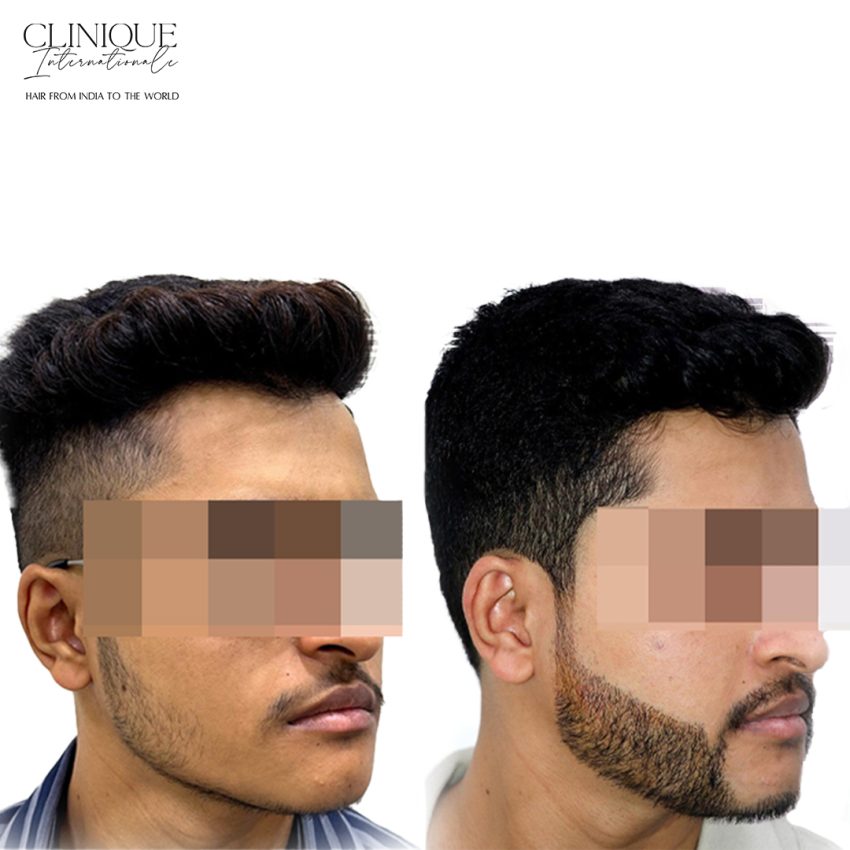
Patchy beard growth is common, and the way facial hair develops can vary from person to person. While some men develop a fairly even beard pattern, others may notice areas where facial hair grows less densely or does not appear at all. These gaps can occur on the cheeks, jawline, chin, or other parts of the beard.
Patchy beard growth does not always indicate an underlying problem. In some cases, it is related to genetics or the natural development of facial hair. In others, changes in the skin or certain medical conditions may affect hair growth.
Understanding the possible cause is an important first step when exploring suitable ways to manage uneven beard growth.
Common Reasons for Uneven Beard Growth
1. Genetics and Natural Beard Patterns
Genetics plays an important role in determining beard density, hair distribution, and the areas where facial hair grows. Some men naturally have fuller growth around the chin and moustache but less coverage on the cheeks.
If sparse areas have been present for a long time and the pattern has remained relatively consistent, natural hair distribution may be a contributing factor. A treatment approach, if needed, depends on the individual’s beard pattern and expectations.
2. Age and Beard Development
Facial hair may continue to develop through the late teenage years and into adulthood. Beard density and distribution can change as a person matures, so an uneven pattern at a younger age may not reflect the final beard pattern.
Allowing time for natural development can be helpful. If patchiness persists or changes unexpectedly, a qualified medical professional can help assess whether further evaluation is appropriate.
3. Skin Conditions and Hair Loss
Certain skin and hair conditions can affect beard growth. For example, alopecia areata may cause clearly defined patches of hair loss, including in the beard area. Inflammation or other skin problems may also interfere with normal hair growth.
When patchy areas appear suddenly, expand, or occur alongside itching, redness, scaling, or other skin changes, it is advisable to seek medical assessment. Identifying the cause helps determine whether medical treatment or another approach is appropriate.
4. Scars or Previous Injuries
Previous injuries, burns, surgeries, or other forms of skin damage may affect hair growth in specific parts of the face. When hair follicles are damaged or replaced by scar tissue, hair may not grow normally in the affected area.
The suitability of treatment depends on the condition of the skin, the extent of scarring, and the availability of healthy donor hair. A specialist can assess the area and explain the options that may be appropriate.
What Can Help With Patchy Beard Growth?
The right approach depends on why the beard is patchy. There is no single solution that suits everyone, so it is useful to understand the available options before choosing a treatment.
- Medical assessment: A professional can help identify whether the uneven growth is related to a skin condition, hair loss, or a natural beard pattern.
- Treatment for an underlying condition: If a medical issue is responsible, managing that condition may help improve hair growth, depending on its cause.
- Time for natural development: For younger adults whose facial hair is still developing, the beard pattern may change naturally over time.
- Beard styling: Adjusting the beard length or style can help create a more uniform appearance.
- Beard transplant: For suitable adults with persistent gaps, a transplant may be considered after a specialist evaluates the cause of sparse growth and the availability of donor hair.
How Can a Transplant Help Address Patchy Beard Growth?
If certain areas of your beard have remained sparse and you would like more even coverage, a beard transplant may be worth considering. The procedure involves relocating hair follicles from a donor area, commonly the scalp, to selected parts of the face.
Before proceeding, a surgeon evaluates your existing beard pattern, donor hair availability, skin condition, medical history, and expectations to determine whether the procedure is suitable for you. These factors also help guide the treatment plan and establish realistic expectations for the outcome.
At Clinique Internationale,in Pune,Dr. Ajinkya Patil offers beard transplant services for men looking to address sparse areas and achieve more even beard coverage. If you are considering this procedure, visit beard transplant page to learn more about the treatment and its suitability.
Frequently Asked Questions
1. Is patchy beard growth normal?
Yes, patchy beard growth can be a natural variation in facial hair distribution. Genetics and age may influence beard density. However, sudden or unusual hair loss should be assessed by a qualified professional.
2. Can a patchy beard become fuller over time?
Beard growth may change as facial hair develops through early adulthood. However, the degree of change varies from person to person and depends on factors such as genetics and the underlying cause of sparse growth.
3. Can a beard transplant fill empty patches?
A beard transplant may help add hair to selected areas for suitable candidates. The outcome depends on factors such as donor hair availability, skin condition, the treatment plan, and individual healing.
4. Who may be suitable for a beard transplant?
Suitability depends on the cause and extent of sparse beard growth, donor hair availability, medical history, skin condition, and expectations. A consultation is needed to determine whether the procedure is appropriate.
5. Where can I learn about beard transplant treatment in Pune?
You can explore the beard transplant services at Clinique Internationale in Pune to learn more about the procedure and discuss your suitability with the clinic.