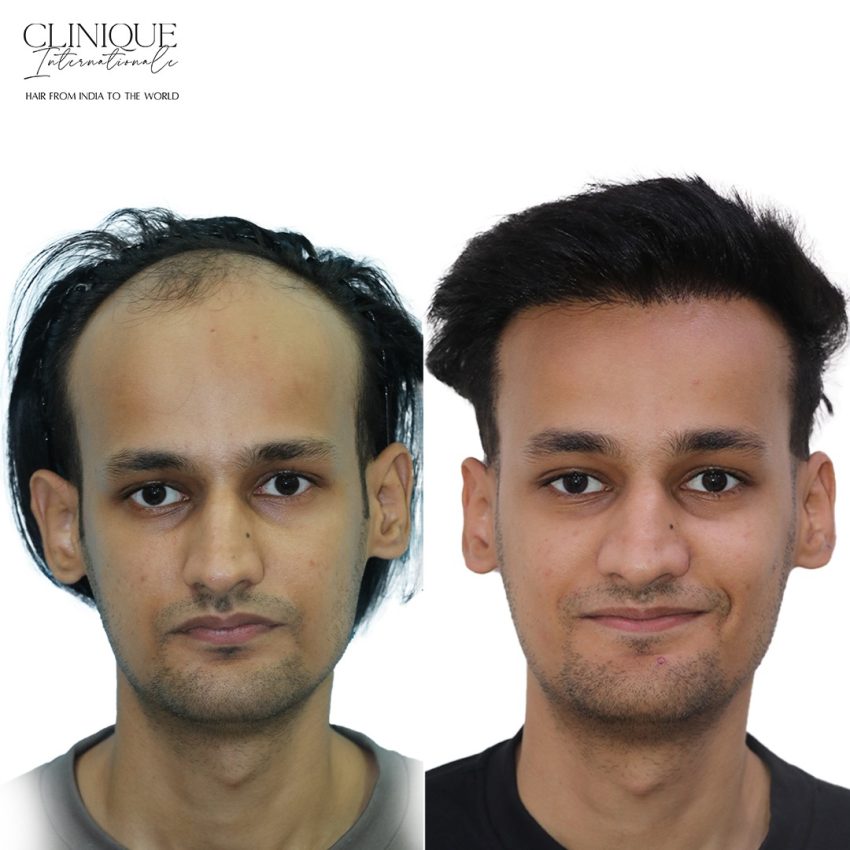
About Ghodbunder Road
Ghodbunder Road connects Thane with the Western Express Highway and is surrounded by residential areas such as Manpada, Kasarvadavali and Waghbil. With its growing townships and convenient access to different parts of Mumbai, many residents look for reliable solutions to hair loss and thinning.
If you are considering a Hair Transplant in Ghodbunder Road, Clinique Internationale in Kharghar is an option to explore. Depending on your starting point, the clinic may be approximately 30–40 km away, with travel time varying according to traffic and your route.
People experiencing a receding hairline, thinning at the crown or reduced hair density often have two important questions: who will perform the procedure, and how long will recovery take? Understanding the surgeon’s role, available techniques and expected results can help you make an informed decision.
Who Performs Your Hair Transplant?
When choosing a hair transplant clinic, it is important to understand the surgeon’s experience and responsibilities during the procedure.
At Clinique Internationale, Dr. Bhavesh Gupta leads hair transplant procedures. He assesses the patient’s scalp, plans the hairline and oversees key stages of treatment. The clinical team assists with graft extraction and placement according to the treatment plan.
Dr. Gupta has co-authored research on using beard hair as a donor source in selected hair restoration cases. The study is indexed on PubMed under PMID 34776682.
During your consultation, discuss your hair loss pattern, donor hair availability, expected coverage and the limitations of transplantation. These factors help determine whether surgery is suitable for you.
Month 0: Consultation and Choosing the Right Technique
Your first appointment involves examining your scalp, hair density and donor area. The doctor may also ask about your family history, medications, lifestyle and recent changes in hair shedding. Blood tests may be recommended when a nutritional deficiency or another medical cause is suspected.
Based on your assessment, the doctor may discuss the following techniques.
1. FUE Hair Transplant
Follicular Unit Extraction (FUE) involves removing individual hair follicles from the donor area and placing them into areas affected by hair loss. It is commonly considered when patients need hairline restoration or coverage across a larger area.
2. DHI Hair Transplant
Direct Hair Implantation (DHI) uses an implanter device to place grafts into the recipient area. Depending on the patient’s scalp and hair loss pattern, this approach may help the surgeon control the placement and direction of grafts.
3. Sapphire FUE Hair Transplant
Sapphire FUE is a variation of FUE in which sapphire blades are used to create recipient channels. Its suitability depends on the patient’s requirements and the surgeon’s assessment. No technique guarantees a particular density or outcome.
Not everyone needs immediate surgery. Depending on the cause and stage of hair loss, medical treatment or supportive options may be recommended first.
When Is PRP Treatment Required?
Platelet-Rich Plasma (PRP) therapy uses a preparation made from the patient’s own blood. It may be recommended in selected cases of hair thinning, depending on the diagnosis and treatment goals.
A doctor may consider PRP when:
- Hair is thinning around the crown or temples.
- Some existing hair remains in the affected area.
- Hair loss needs a supportive treatment alongside other measures.
- Additional support is being considered after a hair transplant.
PRP is not a replacement for a hair transplant when substantial hair loss requires surgical restoration. Its benefits also vary between individuals, so the doctor should explain the expected results and number of sessions.
Patients travelling from Ghodbunder Road should plan appointments in advance, particularly if multiple sessions are recommended.
When Is Cyclic Vitamin Therapy Required?
Heavy hair shedding can sometimes occur after an illness, significant stress, restrictive dieting or inadequate nutrition. In certain cases, deficiencies involving iron, vitamin D, vitamin B12 or other nutrients may contribute to hair loss.
If your doctor suspects a deficiency, blood tests may help identify the underlying cause. Treatment can then be tailored to your results and health requirements.
Cyclic vitamin therapy may be considered when clinically appropriate. However, supplements are not necessary for everyone, and taking high doses without medical advice can be harmful. Follow the prescribed dosage and attend review appointments to assess your progress.
Your Hair Transplant Recovery Timeline
Recovery differs from person to person. The following timeline provides a general guide to what patients may experience after a hair transplant.
- Surgery day: The surgeon plans the hairline, administers local anaesthesia and oversees graft extraction and placement. Many patients return home the same day, depending on their condition and the clinic’s instructions.
- Days 2–4: Mild swelling, redness or discomfort may occur. Follow the aftercare instructions provided by your doctor.
- Days 10–14: Small scabs generally begin to clear, although healing time varies.
- Weeks 3–8: Transplanted hairs may shed. This is a common part of the hair growth cycle and does not necessarily mean the grafts have failed.
- Months 3–4: New hair growth may begin to appear.
- Months 6–9: Hair growth and visible coverage may continue to improve.
- Months 9–12 or longer: Results become more apparent. The crown may take longer to develop its final appearance.
For patients travelling from Ghodbunder Road, allow extra time for traffic on the day of surgery. Arrange transport home if advised, and avoid driving yourself if the procedure or medication could affect your ability to travel safely.
Do not wear a helmet or resume activities that place pressure on the transplanted area until your surgeon confirms it is safe. Follow your clinic’s specific instructions rather than relying on a fixed timeline.
Hair Transplant Complications and Safety
Hair transplantation is a surgical procedure, so it can involve risks even when performed by an experienced team. Temporary swelling, redness, itching, discomfort and shedding of nearby hair may occur during recovery.
Less common complications can include infection, prolonged bleeding, scarring, uneven growth or an unnatural-looking hairline. Careful planning and appropriate aftercare can help reduce certain risks, but complications cannot be ruled out completely.
Contact your clinic promptly if you experience worsening pain, pus, an unpleasant smell, fever or bleeding that does not stop with the recommended measures. Seek urgent medical attention if symptoms are severe.
A detailed consultation helps the doctor assess your donor area, estimate the number of grafts required and discuss realistic expectations before treatment begins.
Hair Transplant Cost in Ghodbunder Road and EMI Options
The Hair Transplant Cost in Ghodbunder Road depends on several factors, including:
- The number of grafts required.
- The condition and availability of donor hair.
- The technique selected for your treatment.
- The size of the area being treated.
- Any additional treatment recommended after assessment.
There is no single cost that applies to every patient. During your consultation at Clinique Internationale, ask for a written estimate that explains the procedure, included services, follow-up appointments and any additional charges.
EMI options may be available, subject to the applicable terms and eligibility. Confirm the current payment plans, interest charges and repayment conditions with the clinic before making a decision.
FAQs: Hair Transplant in Ghodbunder Road
1. Which clinic can I consult for a hair transplant near Ghodbunder Road?
You can consider Clinique Internationale in Kharghar for a consultation with Dr. Bhavesh Gupta. Discuss the surgeon’s role, available techniques, expected results and aftercare before deciding on treatment.
2. How far is Clinique Internationale from Ghodbunder Road?
The distance may be approximately 30–40 km, depending on your starting point. Travel time varies with traffic, route and transport method, so check directions before your appointment.
3. What is the hair transplant cost in Ghodbunder Road?
The cost depends on the number of grafts, donor hair availability, the selected technique and any additional treatment. Request an individual estimate after your scalp assessment.
4. When can I wear a helmet after a hair transplant?
You should avoid wearing a helmet until your surgeon confirms that the transplanted area has healed sufficiently. The timing depends on your recovery and the type of helmet or activity involved.
5. When will I see results after a hair transplant?
New growth may start around three to four months after surgery. Visible improvement often continues over the following months, with results becoming clearer around nine to twelve months or longer. Individual outcomes vary.
6. Is PRP necessary after a hair transplant?
No. PRP is not required for every patient. Your doctor may recommend it in selected cases after considering your hair loss pattern, scalp condition and treatment goals.
Book a Hair Transplant Consultation
If you are exploring a Hair Transplant in Ghodbunder Road, the first step is a personalised consultation. Dr. Bhavesh Gupta at Clinique Internationale can assess your hair loss, examine your donor area and explain the available treatment options.
Call: 7506808008 / 9082123009
Website: https://www.hairclinique.in/
Book an appointment to discuss your concerns, understand the expected recovery process and receive a treatment plan suited to your needs.